Harvested with Care
Thoughtfully Grown Organic
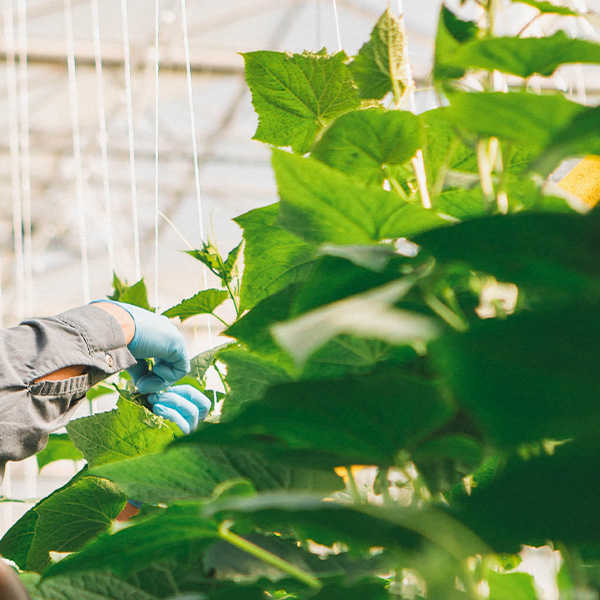
Our organic greenhouse vegetables are grown under certified organic standards with careful attention to every stage of the growing process. They offer a trusted choice within a broader portfolio of high-quality produce.
Thoughtfully Grown Organic
Our organic greenhouse vegetables are grown under certified organic standards with careful attention to every stage of the growing process. They offer a trusted choice within a broader portfolio of high-quality produce.
Certified
Organic
From Seed to Harvest, Year-Round
Greenhouse
Grown
Consistent Quality & Freshness
Always
Non-GMO
Organic Growing Standards
Consistent
Flavor
Grown for Outstanding Flavor & Quality
Always Organic
Always Organic
Enriched Soil Health
Building strong, living soil that sustains plants and people
Active Micro Ecosystem
Supporting natural biodiversity above and below ground
Pure and Wholesome
Only organic inputs, free from synthetic chemicals
Growing better, for you.

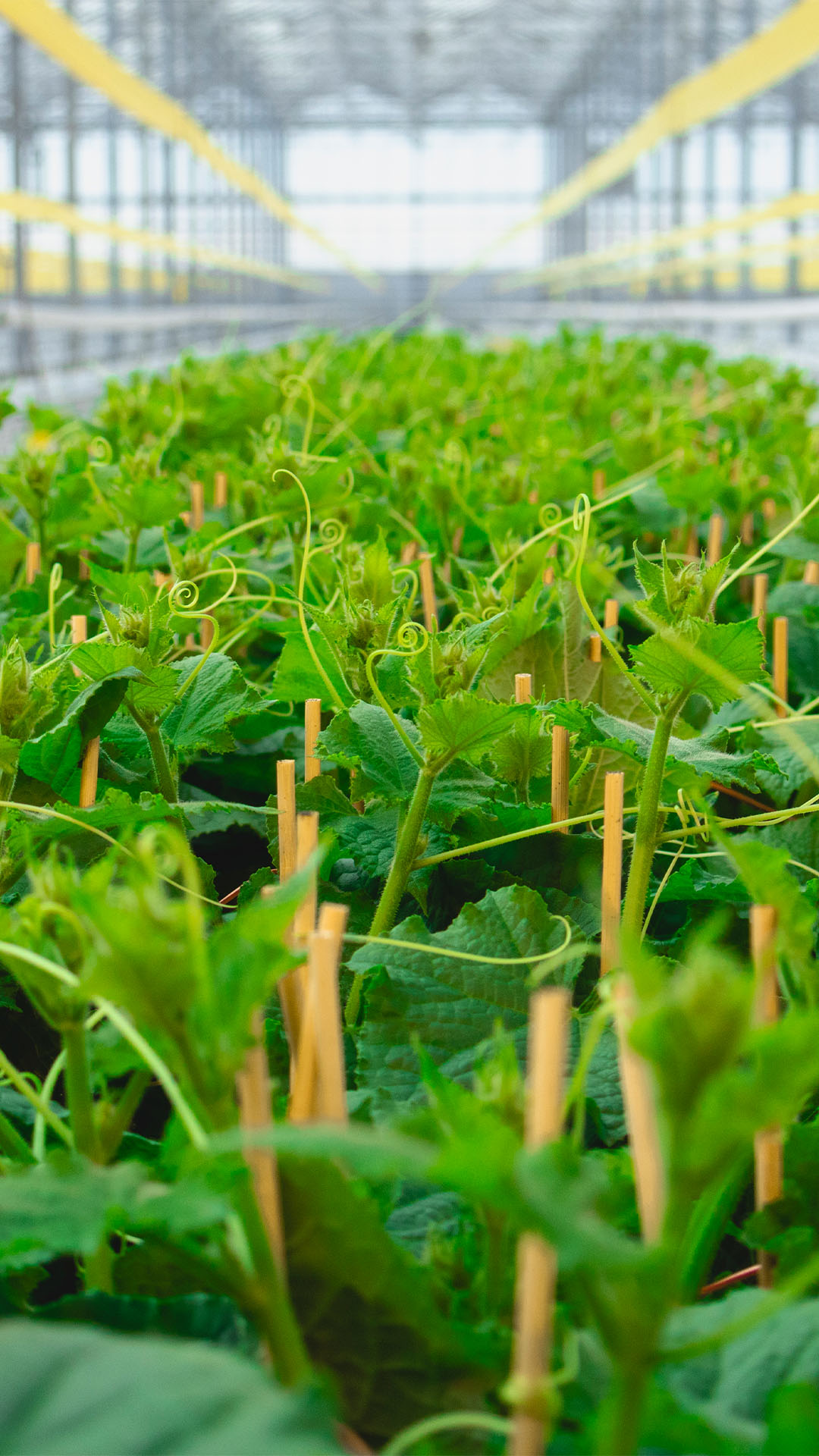
We use less water, less land
Pure Flavor® is more than a name — it’s our promise. A promise to grow better, eat brighter, and share real flavor with families everywhere. From greenhouse to table, our story is one of innovation, care, and community — more goodness, less compromise.
Pure Flavor® is more than a name — it’s our promise. A promise to grow better, eat brighter, and share real flavor with families everywhere. From greenhouse to table, our story is one of innovation, care, and community — more goodness, less compromise.
Organics FAQ

Less water, less land

Good bugs fight pests

Protected from the elements

Always in season
Organics FAQ
Is greenhouse grown organic produce truly organic?
When we grow greenhouse organic produce, it follows the same certified organic standards as any other organic farming system. That means it is grown without synthetic pesticides or fertilizers and without GMOs, and it must meet strict organic certification requirements at every stage.
Is Pure Flavor certified organic?
Yes, we are certified USDA Organic. You can always look for the USDA Organic seal on-pack to confirm certification when purchasing.
Does greenhouse grown mean there are no pesticides?
Organic growing still involves pest management, but organic standards limit what can be used. Greenhouse environments often support a prevention-first approach, such as physical barriers, careful monitoring, and approved organic or biological solutions when needed.
How do you manage pests in an organic greenhouse?
Our programs focus on prevention and natural controls, such as beneficial insects, environmental management, and approved organic inputs. The goal is to protect the crop while staying within organic standards.
Is greenhouse grown organic produce healthier or more nutritious?
Greenhouse grown organic produce can be just as nutritious as other organic produce. Nutrition depends on factors like variety, ripeness at harvest, and how the produce is handled and stored. Greenhouse growing can help support consistent quality and harvest timing.
Does greenhouse grown organic produce taste different?
Many people choose greenhouse grown produce for consistent flavor and quality. A controlled growing environment can help support steady ripening and reliable taste throughout the season.
Is greenhouse grown organic produce available year-round?
Often, yes. Greenhouses can extend the growing season and help provide more consistent availability, especially when outdoor growing is limited by weather.
Is greenhouse grown organic produce grown in soil?
It depends on the farm and the crop. Organic certification focuses on approved practices and inputs under organic standards. If you want to share specifics, you can add a short note here about your exact growing method.
Is it cleaner or safer because it’s grown in a greenhouse?
Greenhouses can reduce exposure to outside factors like heavy rain, windblown debris, and some pests. Food safety still depends on careful harvesting and handling practices, including clean water, sanitation, and strict packing standards.
Is greenhouse grown organic produce better for the environment?
It can be. Many greenhouse systems focus on efficiency, including precise irrigation and reduced land use per pound of produce. Impacts can vary based on factors like energy use for heating and lighting, so transparency about sustainability practices is important.
Why does greenhouse grown organic produce sometimes cost more?
Organic certification, labor-intensive practices, monitoring, and quality standards can increase costs. Greenhouse growing also involves infrastructure and climate management. Many consumers find the value in consistent quality, reliable availability, and organic practices.
How should I store greenhouse grown organic produce for best freshness?
Storage depends on the item, but generally:
-
Keep produce dry until ready to use.
-
Store items like tomatoes at room temperature for best flavor (if they are ripe).
-
Refrigerate items like leafy greens, cucumbers, and peppers to maintain crispness.
-
If you tell us what you bought, we can share the best storage tips.
Is greenhouse grown organic produce truly organic?
When we grow greenhouse organic produce, it follows the same certified organic standards as any other organic farming system. That means it is grown without synthetic pesticides or fertilizers and without GMOs, and it must meet strict organic certification requirements at every stage.
Is Pure Flavor certified organic?
Yes, we are certified USDA Organic. You can always look for the USDA Organic seal on-pack to confirm certification when purchasing.
Does greenhouse grown mean there are no pesticides?
Organic growing still involves pest management, but organic standards limit what can be used. Greenhouse environments often support a prevention-first approach, such as physical barriers, careful monitoring, and approved organic or biological solutions when needed.
How do you manage pests in an organic greenhouse?
Our programs focus on prevention and natural controls, such as beneficial insects, environmental management, and approved organic inputs. The goal is to protect the crop while staying within organic standards.
Is greenhouse grown organic produce healthier or more nutritious?
Greenhouse grown organic produce can be just as nutritious as other organic produce. Nutrition depends on factors like variety, ripeness at harvest, and how the produce is handled and stored. Greenhouse growing can help support consistent quality and harvest timing.
Does greenhouse grown organic produce taste different?
Many people choose greenhouse grown produce for consistent flavor and quality. A controlled growing environment can help support steady ripening and reliable taste throughout the season.
Is greenhouse grown organic produce available year-round?
Often, yes. Greenhouses can extend the growing season and help provide more consistent availability, especially when outdoor growing is limited by weather.
Is greenhouse grown organic produce grown in soil?
It depends on the farm and the crop. Organic certification focuses on approved practices and inputs under organic standards. If you want to share specifics, you can add a short note here about your exact growing method.
Is it cleaner or safer because it’s grown in a greenhouse?
Greenhouses can reduce exposure to outside factors like heavy rain, windblown debris, and some pests. Food safety still depends on careful harvesting and handling practices, including clean water, sanitation, and strict packing standards.
Is greenhouse grown organic produce better for the environment?
It can be. Many greenhouse systems focus on efficiency, including precise irrigation and reduced land use per pound of produce. Impacts can vary based on factors like energy use for heating and lighting, so transparency about sustainability practices is important.
Why does greenhouse grown organic produce sometimes cost more?
Organic certification, labor-intensive practices, monitoring, and quality standards can increase costs. Greenhouse growing also involves infrastructure and climate management. Many consumers find the value in consistent quality, reliable availability, and organic practices.
How should I store greenhouse grown organic produce for best freshness?
Storage depends on the item, but generally:
Keep produce dry until ready to use.
Store items like tomatoes at room temperature for best flavor (if they are ripe).
Refrigerate items like leafy greens, cucumbers, and peppers to maintain crispness.
If you tell us what you bought, we can share the best storage tips.